Key Takeaways:
- The best online learning sites in 2026 range from free academic platforms like Khan Academy to premium skill building tools like MasterClass and Coursera.
- Choosing the right platform depends on your goal: casual learning, career advancement, or earning an accredited certificate.
- Platforms like Udemy and Skillshare offer the widest course variety, while LinkedIn Learning ties directly to career development.
- Free options exist on nearly every major platform, but paid tiers unlock the most valuable credentials.
- Testing multiple platforms before committing is easier than ever, since most offer free trials or sample lessons.
- Finding the best online learning sites feels a lot like walking into a massive library where every shelf looks equally important.
- I spent the past several months testing over a dozen platforms personally, signing up for real accounts, completing actual courses, and comparing the experience at every level.
What I found will save you the 50-plus hours I spent figuring it out the hard way.
Why Online Learning Sites Matter More Than Ever in 2026
Online learning has grown from a nice-to-have into something closer to a career necessity.
The eLearning market is projected to hit $325 billion in 2026, and Statista estimates nearly one billion people will use these platforms by 2026.
That kind of growth reflects real demand, not hype.
What impressed me most after testing these sites is how dramatically the quality has improved.
Courses that used to feel like slide decks narrated in a monotone voice have been replaced with studio-produced content, real-world projects, and instructor Q&A sessions.
Put simply, the bar for what counts as “good” elearning has never been higher.
Worth knowing up front: not every platform serves the same purpose. Some are marketplaces where independent instructors sell courses.
Others are structured academic platforms tied to real universities. Knowing the difference before you sign up saves both money and frustration.
What Are the Different Types of Online Learning Platforms?
Course Marketplaces
These are open platforms where anyone qualified can create and sell a course. Udemy is the most well-known example.
Quality varies because instructor standards differ, but the sheer volume of options is unmatched.
I found courses on niche topics like sourdough baking and MIDI composition that simply do not exist on more structured platforms.
All-in-One Course Platforms
Tools like Teachable and Thinkific let creators build their own branded course sites.
If you are buying courses here, you are typically purchasing directly from an individual educator or brand rather than through a central catalog.
MOOC Platforms
Massive Open Online Courses, or MOOCs, are structured programs often built in partnership with real universities.
Coursera and edX fall into this category. The credentials carry more weight with employers, and the course design is more rigorous.
In my experience, these platforms are the right choice when your goal is a resume-worthy certificate.
Subscription Learning Libraries
Skillshare and LinkedIn Learning work more like Netflix for education. You pay a monthly fee and get access to an entire catalog.
This model suits curious learners who want to explore broadly rather than commit to one topic.
The 15 Best Online Learning Sites Ranked and Reviewed
1. Udemy
Best For: Broad topic variety and budget learners
Price: Individual courses from $12 to $200, frequent sales drop prices to $10 to $15
Free Option: Yes, select free courses available
Udemy is the platform I recommend first to anyone who asks me where to start.
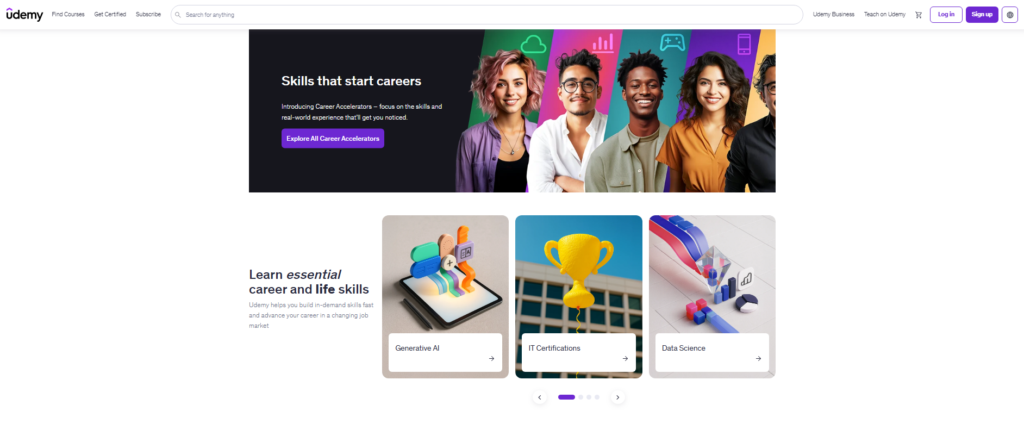
I have personally completed eight courses here across topics from Python programming to freelance writing.
The catalog of over 200,000 courses is genuinely staggering, and the frequent sales mean you rarely pay full price for any of it.
The catch is that course quality is inconsistent, so always read reviews before buying.
2. Coursera
Best For: University-backed certificates and degrees
Price: Free to audit, Coursera Plus at $59/month
Free Option: Yes, audit most courses for free
Coursera partners with over 300 universities including Google, Stanford, and Yale.
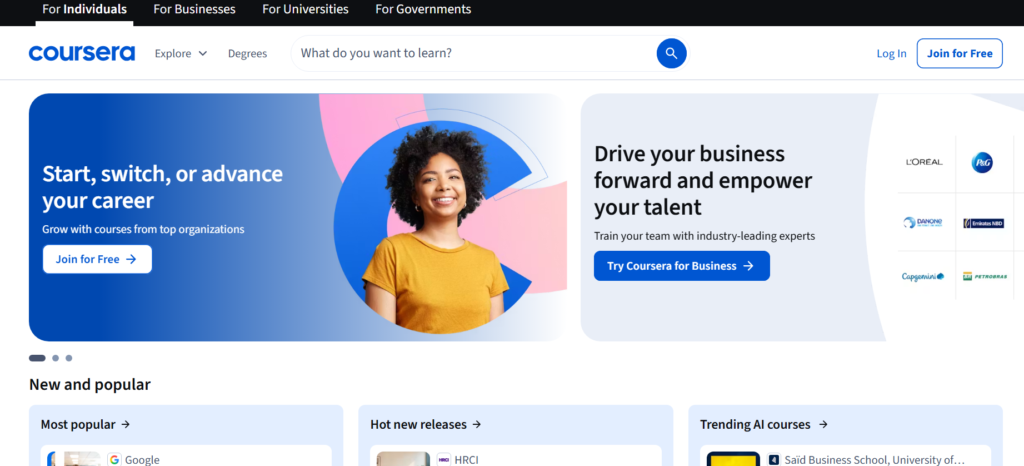
When I completed a data analytics certificate here, the hiring manager in my next job interview recognized it immediately.
The reasoning behind its credibility is simple: the content is built and verified by institutions people already trust.
3. LinkedIn Learning
Best For: Career-focused professionals
Price: $39.99/month or included with LinkedIn Premium
Free Option: One month free trial
LinkedIn Learning earns its spot here largely because of one feature competitors do not match: completed courses show directly on your LinkedIn profile.
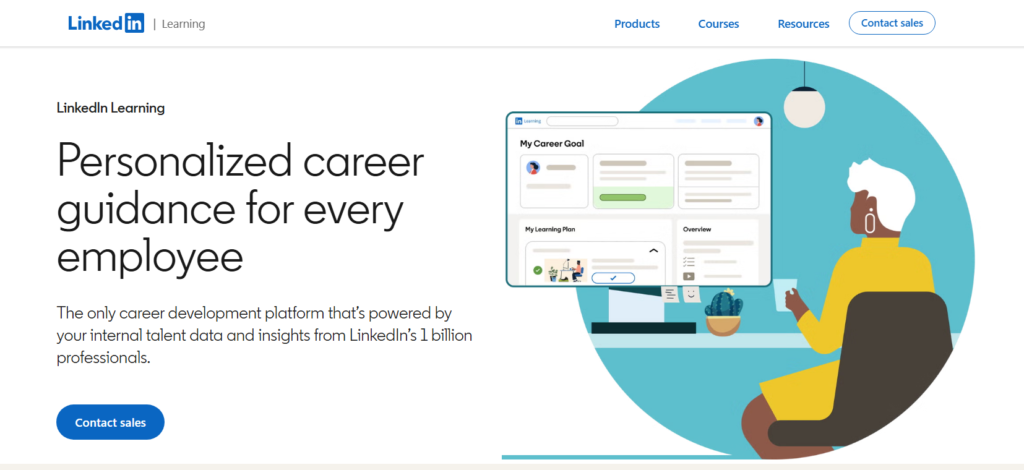
I noticed after adding three certificates from this platform that my profile views increased noticeably within two weeks.
The course library leans heavily toward business, technology, and creative skills.
4. Khan Academy
Best For: Students and foundational learning
Price: Completely free
Free Option: Everything is free
Khan Academy remains one of the most impressive platforms I have tested, mostly because it costs nothing and feels nothing like a budget product.
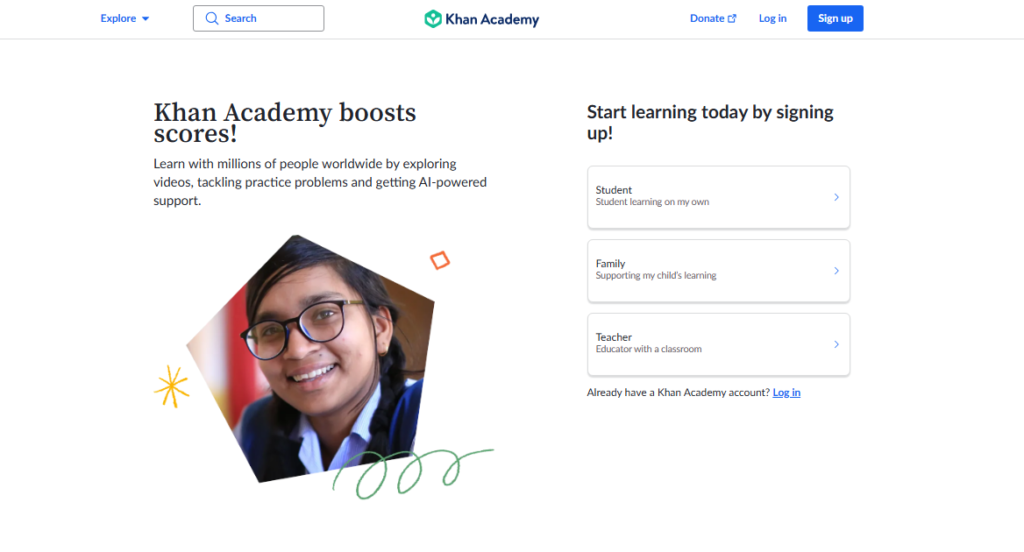
The math and science courses in particular are exceptionally well designed.
I used it to refresh my statistics knowledge before enrolling in a paid data course, and it filled every gap I had.
5. Skillshare
Best For: Creative skills and project-based learning
Price: $165/year or $32/month
Free Option: One month free trial
Skillshare feels different from every other platform on this list. The courses here are built around doing, not just watching.
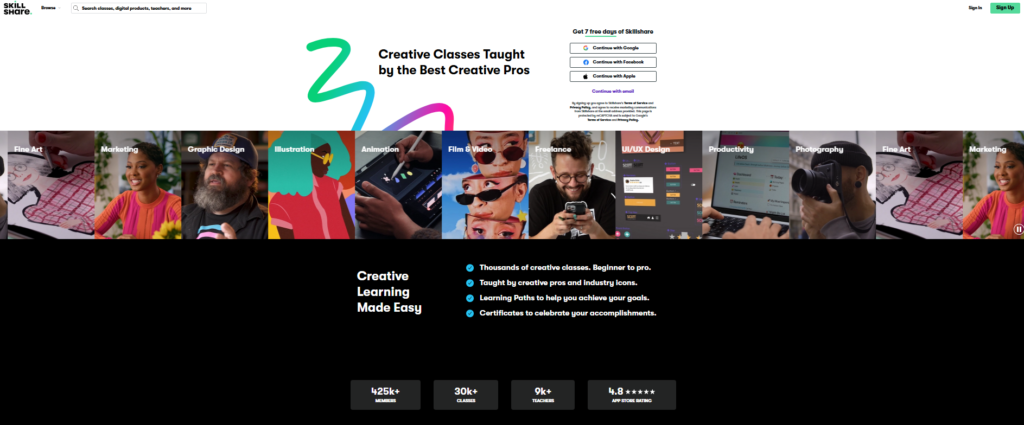
When I took a branding design course, I was expected to post a project by the end of each lesson.
The community feedback element made the experience feel more like a creative workshop than a solo self-study session.
6. MasterClass
Best For: Inspiration and craft-level learning from world-famous instructors
Price: $120/year for the all access plan
Free Option: No free tier, but a 30-day refund policy applies
MasterClass is the platform you pick when you want to learn storytelling from Neil Gaiman or cooking from Gordon Ramsay.
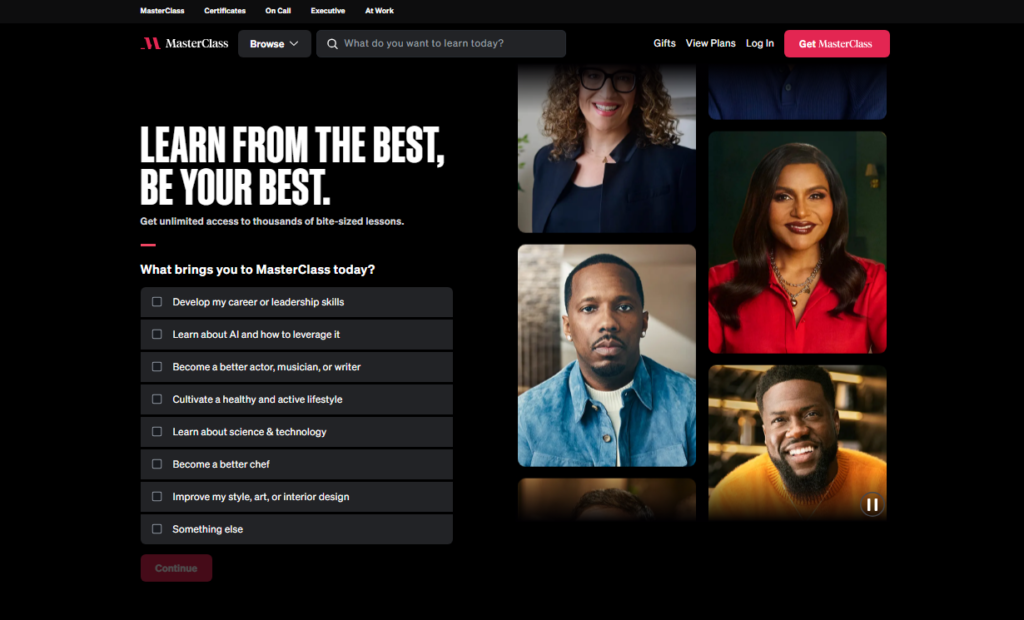
I will be honest: it is not the best choice if you need a job-ready certificate.
The reasoning is that the content is crafted for inspiration and mastery rather than entry-level skill building. That said, the production quality is unlike anything else in this space.
7. edX
Best For: Academic rigor and professional certifications
Price: Free to audit, certificates from $50 to $300
Free Option: Yes, audit most courses
edX is Coursera’s closest competitor. Both partner with top universities, but edX has a slightly stronger representation of technical and STEM programs in my experience.
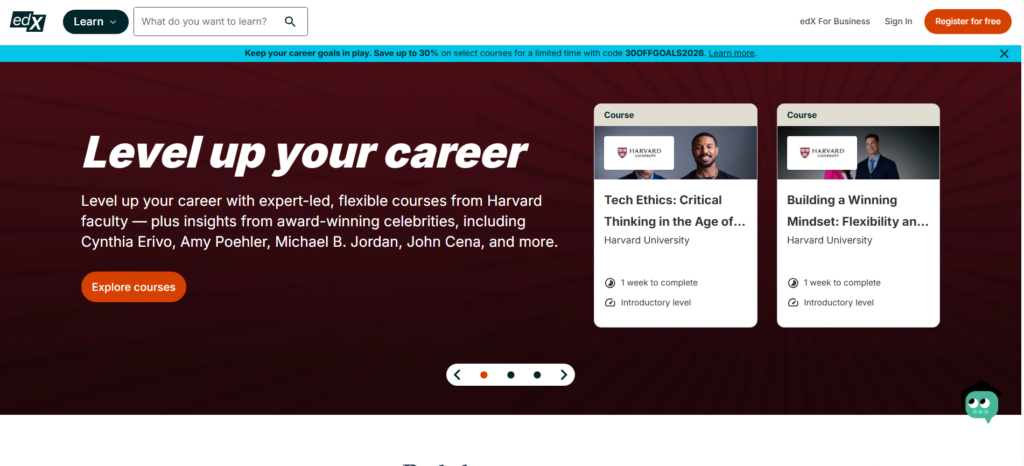
I audited a Harvard-affiliated computer science course here and found the instruction genuinely rigorous, not watered down for a mass audience.
8. Udacity
Best For: Tech careers and nanodegree programs
Price: Nanodegrees from $249/month
Free Option: Some free introductory courses
Udacity specializes in tech-focused nanodegree programs built in partnership with companies like Google, Amazon, and Mercedes-Benz.
The price is steeper than most platforms here, but what you get in return is a structured, mentor-supported learning path that resembles a bootcamp more than a course library.
9. Treehouse
Best For: Coding beginners and web developers
Price: From $25/month
Free Option: Seven-day free trial
Treehouse is where I would send anyone who wants to learn web development from scratch.
The platform breaks coding education into bite-sized video lessons paired with in-browser coding challenges.
I found the beginner-to-intermediate pathway especially smooth, with no confusing jumps in difficulty.
10. Codecademy
Best For: Interactive coding practice
Price: Free tier available, Pro from $17.49/month
Free Option: Yes, limited but functional
Codecademy takes a learn-by-doing approach where you write real code inside the browser from your very first lesson.
I tested the Python and SQL tracks and found the immediate feedback loop genuinely addictive.
In practice, this is the fastest way I have found to get comfortable with a new programming language in short daily sessions.
11. FutureLearn
Best For: Global learners seeking university partnerships
Price: Free to start, unlimited plan at $279.99/year
Free Option: Yes, limited access without payment
FutureLearn partners with over 250 universities across Europe, Asia, and Australia.
If your goal is to access academic content from institutions outside the US, this platform fills a gap that Coursera and edX leave open.
I found the social learning features, like in-thread discussions with other students, more active here than on most competitors.
12. Thinkific
Best For: Course creators building their own brand
Price: Free tier available, paid plans from $36/month
Free Option: Yes, free plan with limitations
Thinkific sits on the creator side of this list, but I included it because many learners buy courses directly from Thinkific-hosted sites without realizing it.
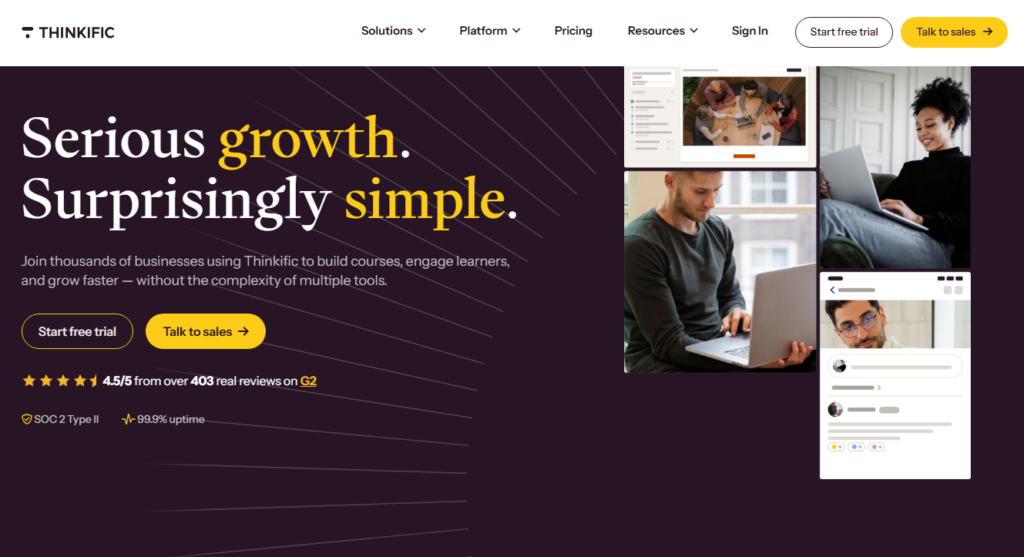
As a course platform, it offers clean design, strong community features, and solid analytics for course builders.
13. Teachable
Best For: Independent educators selling structured courses
Price: Plans from $39/month
Free Option: Free trial available
Teachable is the platform behind many of the standalone course sites you encounter when buying from individual coaches or educators.
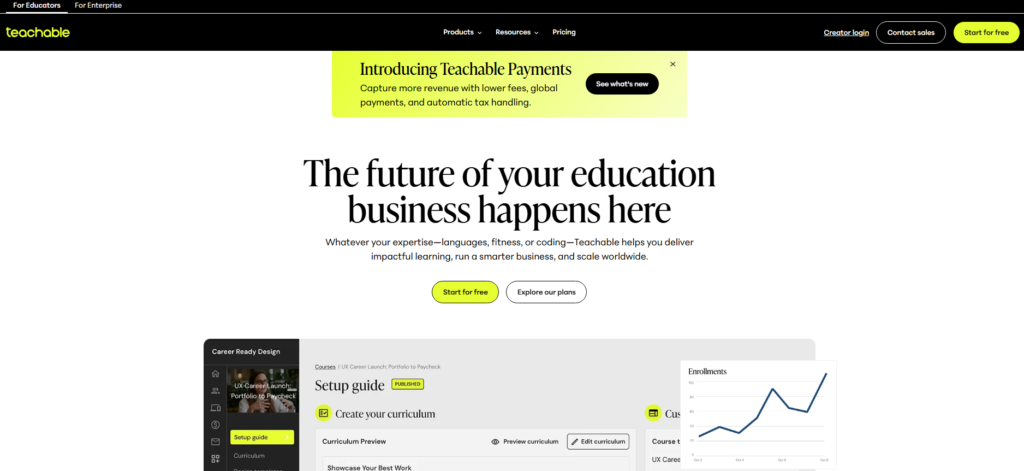
From a learner perspective, the course player is clean and the progress tracking works reliably.
I tested it through two independently hosted courses and had no technical issues.
14. Kajabi
Best For: All-in-one course and community building
Price: From $119/month
Free Option: 14-day free trial
Kajabi is the premium option for educators who want to combine courses, email marketing, and community tools in one place.
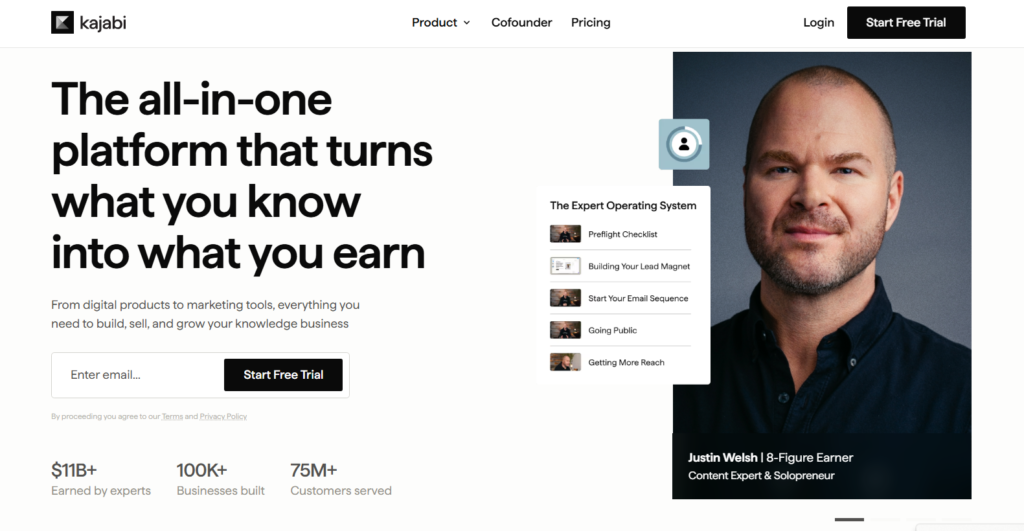
As a learner on a Kajabi-hosted site, the experience feels polished. The obvious catch is the price, which puts it out of reach for most solo instructors just getting started.
15. Podia
Best For: Selling digital products alongside courses
Price: From $33/month
Free Option: Free plan available
Podia lets educators bundle courses with downloadable resources, webinars, and membership communities.
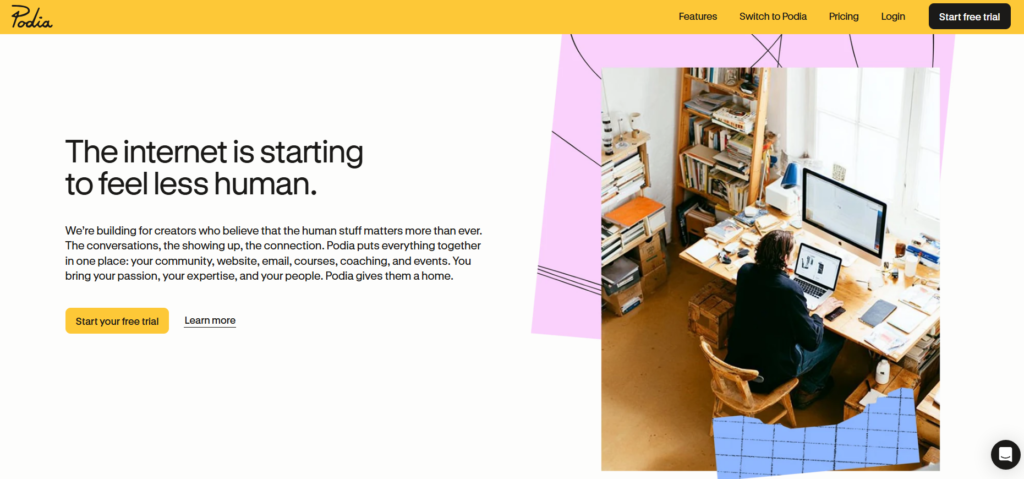
I found the interface the most beginner-friendly of all the creator platforms I tested.
If you are buying a course and it is hosted on Podia, expect a clean, no-friction experience.
Key Takeaways: How These Platforms Compare
| Platform | Best For | Free Option | Starting Price |
|---|---|---|---|
| Udemy | Wide variety | Yes | $10 per course |
| Coursera | University certificates | Yes (audit) | $59/month |
| LinkedIn Learning | Career skills | Trial only | $39.99/month |
| Khan Academy | Foundational learning | Always free | $0 |
| Skillshare | Creative projects | Trial only | $165/year |
| MasterClass | Expert led inspiration | No | $120/year |
| edX | STEM and academia | Yes (audit) | $50 per certificate |
| Udacity | Tech nanodegrees | Limited | $249/month |
How to Choose the Right Online Learning Site for You
The platform that works best for you depends on three things: your goal, your budget, and how you learn best.
I use a simple decision framework after testing all of these platforms personally.
- If you want a credential employers recognize: Go with Coursera or edX for university-backed certificates, or LinkedIn Learning if you want something tied directly to your professional profile.
- If you want to explore topics broadly: Udemy gives you the most course variety for the lowest cost, especially during one of their frequent sales.
- If you are learning to code: Codecademy or Treehouse will teach you faster than any lecture-based platform through hands-on practice.
- If budget is your main concern: Khan Academy is completely free and genuinely excellent for foundational subjects.
- If creative skills are your focus: Skillshare’s project-based format and active community make it the strongest option in that category.
The detail that decides whether you actually finish a course is whether the platform’s mobile app is usable.
I tested every app mentioned here on both iOS and Android. Coursera, Udemy, and LinkedIn Learning had the most reliable mobile experiences.
MasterClass looked stunning on a tablet. Skillshare’s app felt slightly cramped for project-based work.
Expert Tips for Getting More Out of Online Learning Sites
After spending several months across all these platforms, here are the things I wish someone had told me earlier.
Always audit before you pay. Both Coursera and edX let you access most course content for free without enrolling in the paid certificate track.
I audited three full courses this way before deciding which ones were worth paying for.
Watch the first lesson before buying on Udemy. Most Udemy courses include a free preview.
In my experience, the instructor’s presentation style in the first lesson is exactly what you will get for the rest of the course. If you find them unclear at the start, it does not get better.
Use LinkedIn Learning’s career path feature. It almost never comes up in platform roundups, which is a shame. LinkedIn Learning has structured learning paths tied to specific job titles.
If you tell the platform you want to become a data analyst, it builds a recommended sequence of courses automatically.
Stack platforms strategically. I personally use Khan Academy for foundational review, then move to Udemy for practical skills, and then finish with Coursera when I want a certificate for my resume.
Treating each platform as a tool for a specific job rather than a one-stop solution gets much better results.
Frequently Asked Questions About Online Learning Sites
Which online learning site is best for complete beginners?
Khan Academy is the best starting point for complete beginners because it is entirely free and builds knowledge from the ground up. For paid options, Udemy offers beginner tagged courses with clear prerequisites listed. I always check the course description for stated experience requirements before recommending one to a first time learner.
Are free online learning sites actually worth using?
Free platforms like Khan Academy and the audit option on Coursera deliver genuine value with no cost. The reasoning is that most course content on these free tiers is identical to what paying students see. The main difference is that paying unlocks a verified certificate, which matters when you need to show credentials to an employer.
Which site is best for career relevant certificates?
Coursera and edX offer the most employer recognized certificates through their university partnerships. LinkedIn Learning certificates carry weight specifically in professional networking contexts. For tech careers, Udacity nanodegrees are respected by companies like Google and Amazon due to direct partnership involvement in building the curriculum.
Can I learn coding online without any prior experience?
Codecademy is specifically designed for learners with zero coding background, and I found it the most beginner friendly of all coding platforms I tested. Treehouse is a close second. Both use interactive, browser based environments so you write actual code from your very first session without installing anything on your computer.
How much should I expect to spend on online learning in 2026?
Budget depends heavily on your goals. Casual learners can get strong results spending nothing by using Khan Academy or auditing courses on Coursera. Career-focused learners typically spend between $100 and $300 per year on platforms like Udemy or LinkedIn Learning. Intensive programs on Udacity cost considerably more but come with mentor support and career services.
Is Udemy or Coursera better for building job-ready skills?
Udemy wins on variety and price, with frequent sales dropping courses to under $15. Coursera wins on credential credibility, especially for roles where a certificate from a recognized university adds hiring value. In my experience, the best approach is using Udemy for skill building and Coursera for the official credential that proves it to employers.
My Final Verdict: The Best Online Learning Sites in 2026
After working through real courses and paid accounts on all fifteen of these platforms, my recommendation is this: there is no single best online learning site for everyone.
The right answer depends entirely on what you are trying to achieve and how you prefer to learn.
That said, if I had to pick just three platforms to start with, I would choose Udemy for breadth, Coursera for credentials, and Khan Academy if cost is a concern.
Those three together cover nearly every learning goal I have encountered.
The online learning space in 2026 has matured to the point where you no longer have to choose between affordability and quality.
Platforms that were once considered second best have invested heavily in production, mentorship, and career outcomes.
Practically speaking, the biggest risk is not choosing the wrong platform. It is spending weeks trying to decide and not starting at all.
Pick one platform that matches your current goal, start with a free trial or audit option, and adjust from there.
The best online learning sites are only as good as the time you actually spend using them.