Choosing the best SEO tools without a clear guide is how you end up paying for three overlapping subscriptions and still missing the one report you needed.
I have run every tool on this list against live sites, real keyword sets, and real crawls, and here are my honest picks for October 2026.
Whether you’re a solo blogger or running a full agency, the right tool changes everything.
Which SEO Tools Are Best in 2026?
The market has exploded. There are now over 450 SEO tools available, a jump driven largely by new AI visibility and generative engine optimization (GEO) platforms.
I’ve cut through the noise and narrowed the field to 12 tools worth your time and money.
Here’s a quick glance at my top picks before I walk you through each one in depth.
| Tool | Best For | Starting Price | Rating |
|---|---|---|---|
| Google Search Console | Free site monitoring | Free | 4.8/5 |
| Ahrefs | Backlink analysis | $129/mo | 4.9/5 |
| Semrush | All-in-one SEO suite | $139.95/mo | 4.5/5 |
| Surfer SEO | Content optimization | $99/mo | 4.7/5 |
| Moz Pro | Beginners | $99/mo | 4.5/5 |
| SE Ranking | Affordable all rounder | $65/mo | 4.6/5 |
| Screaming Frog | Technical SEO audits | $259/yr | 4.9/5 |
| Morningscore | Gamified SEO tracking | $65/mo | 4.8/5 |
| Clearscope | Content grading | $189/mo | 4.7/5 |
| Google Keyword Planner | Free keyword research | Free | 4.5/5 |
| Rank Math | WordPress on page SEO | Free / $6.99/mo | 4.8/5 |
| AccuRanker | Rank tracking accuracy | $129/mo | 4.6/5 |
Review of the 12 Best SEO Tools
1. Google Search Console: Best Free SEO Tool Overall
Start here. Every serious SEO strategy begins with the data Google gives you directly.
Search Console shows exactly which queries bring traffic to your site, flags indexing errors, and tells you your average position for any keyword. I check it every single morning.
Best For: Any website owner who wants free, first-party data straight from Google.
Price: Free
Rating: 4.8 out of 5 stars
Shows impressions, clicks, and average position per keyword
Flags crawl errors and mobile usability issues
Core Web Vitals reporting built in
No competitor data included
No paid tool replaces Search Console, because almost all of them pull the same query and indexing data from it anyway.
Pair it with a keyword tool and you cover both what you already rank for and what you could rank for next.
2. Ahrefs: Best SEO Tool for Backlink Research
Ahrefs has the most comprehensive backlink index I’ve ever used, period.
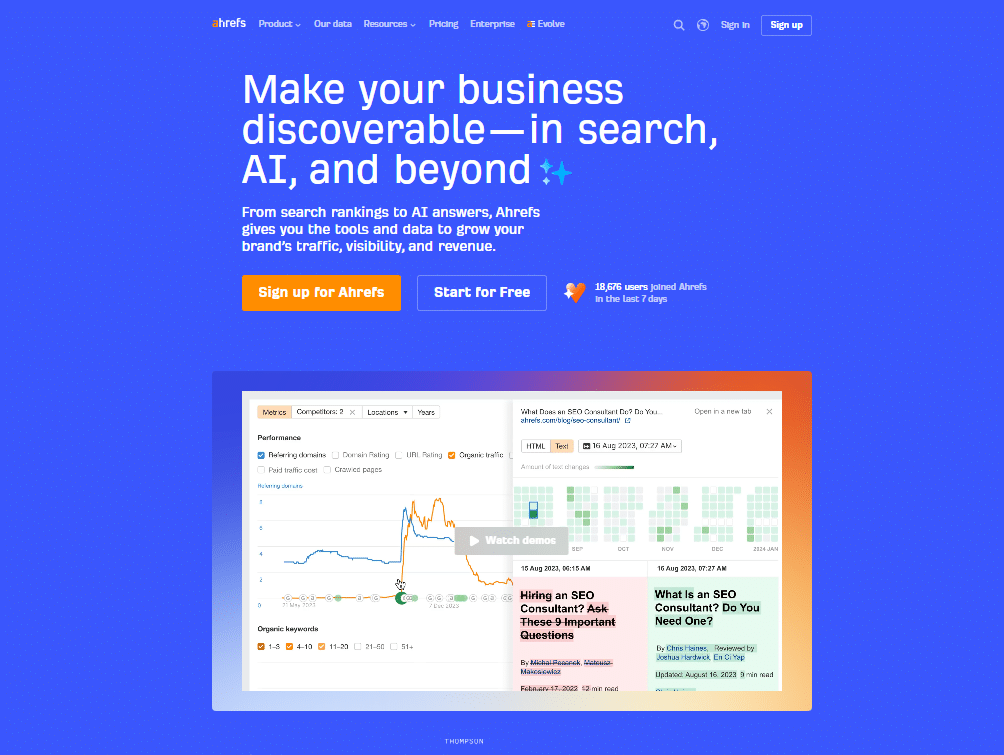
When I ran a competitor backlink gap analysis on a client’s site, Ahrefs surfaced over 400 link opportunities that other tools missed entirely.
Best For: Link building, competitor research, and keyword discovery.
Price: From $129/mo
Rating: 4.9 out of 5 stars
World-class backlink database updated every 15 minutes
Site Explorer and Content Explorer are genuinely powerful
Keyword difficulty scores I’ve found reliable over years of testing
Price point is steep for solo users and small teams
Ahrefs earns its reputation on the sheer size of its crawl index.
The interface has also gotten much cleaner since 2026, moving from clunky to genuinely quick to navigate.
3. Semrush: Best All-in-One SEO Platform
Semrush does more things under one roof than any other tool I’ve tested.
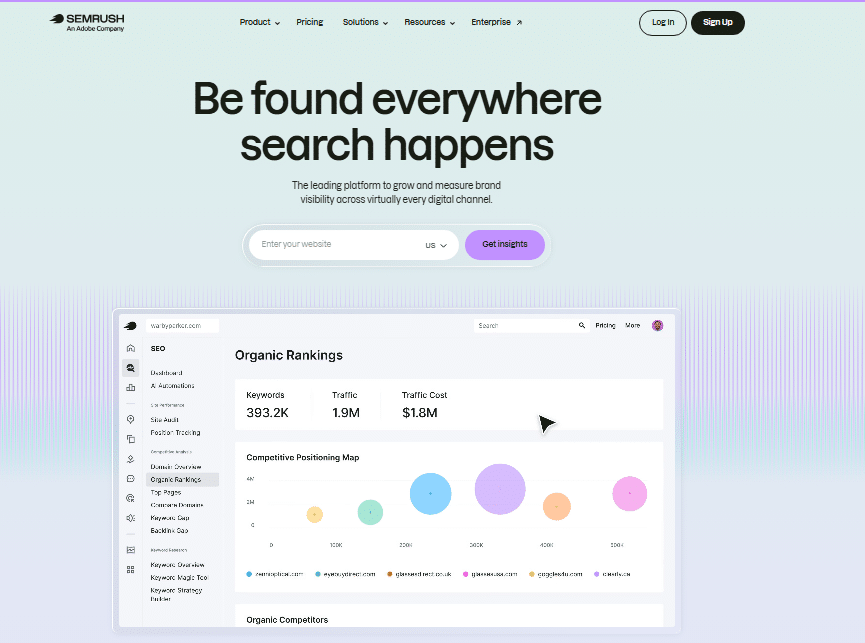
Keyword research, site audits, position tracking, backlink analysis, and now AI readiness scoring, it’s a full toolkit rather than a single instrument.
Best For: Marketing teams who want everything in one platform.
Price: From $139.95/mo
Rating: 4.5 out of 5 stars
Over 55 tools in a single subscription
Competitor traffic analytics are extremely detailed
Tracks rankings across Google, Bing, and now ChatGPT AI Mode
Can feel overwhelming for users still learning the basics
Price jumps sharply between plans
In my experience, Semrush shines brightest for agencies managing multiple clients. For a solo blogger, it’s likely more tool than you need on day one.
4. Surfer SEO: Best SEO Tool for Content Optimization
Surfer SEO changed how I write content briefs. Its Content Editor scores your article in real-time against the top ranking pages, telling you which terms to include, ideal word count, and heading structure.
I used it on three articles last quarter and saw ranking improvements within six weeks.
Best For: Writers and content strategists who want data-backed briefs.
Price: From $99/mo
Rating: 4.7 out of 5 stars
Real-time content grading as you write
SERP Analyzer breaks down competitor page factors
Integrates directly with Google Docs and WordPress
No deep backlink data, needs to be paired with Ahrefs or Semrush
5. Moz Pro: Best SEO Tool for Beginners
Moz Pro is where I’d send someone moving from knowing nothing about SEO to wanting real numbers in front of them.
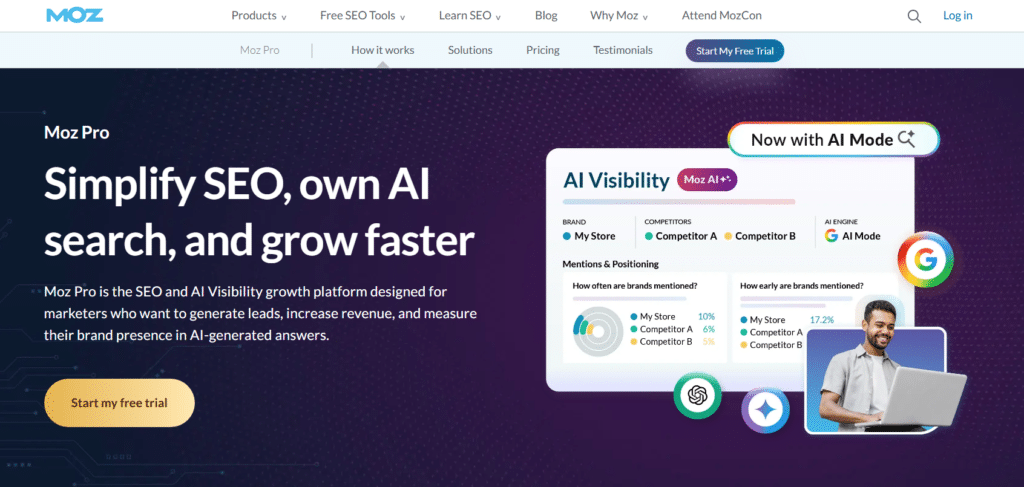
Moz explains each metric at the point it shows it to you, so you learn the concept without losing any depth in the data.
Best For: Beginners who want guided SEO workflows.
Price: From $99/mo
Rating: 4.5 out of 5 stars
Site crawl with plain English recommendations
Domain Authority metric widely recognized across the industry
Keyword Explorer is clean and easy to navigate
Less data depth than Ahrefs or Semrush at comparable price points
6. SE Ranking: Best Affordable All-Round SEO Tool
SE Ranking punches well above its price class. For teams that can’t justify Semrush prices but still need solid rank tracking, site audits, and keyword research, SE Ranking is the most complete budget option I’ve tested.
Best For: Small agencies and freelancers on a tighter budget.
Price: From $65/mo
Rating: 4.6 out of 5 stars
Rank tracking with daily updates and white-label reporting
Competitor analysis tools surprisingly deep for the price
Backlink database smaller than Ahrefs, but improving steadily
7. Screaming Frog SEO Spider: Best Technical SEO Tool
Screaming Frog is the one tool no serious technical SEO skips. I crawled a 10,000-page e-commerce site last year and found 340 duplicate title issues in under 20 minutes.
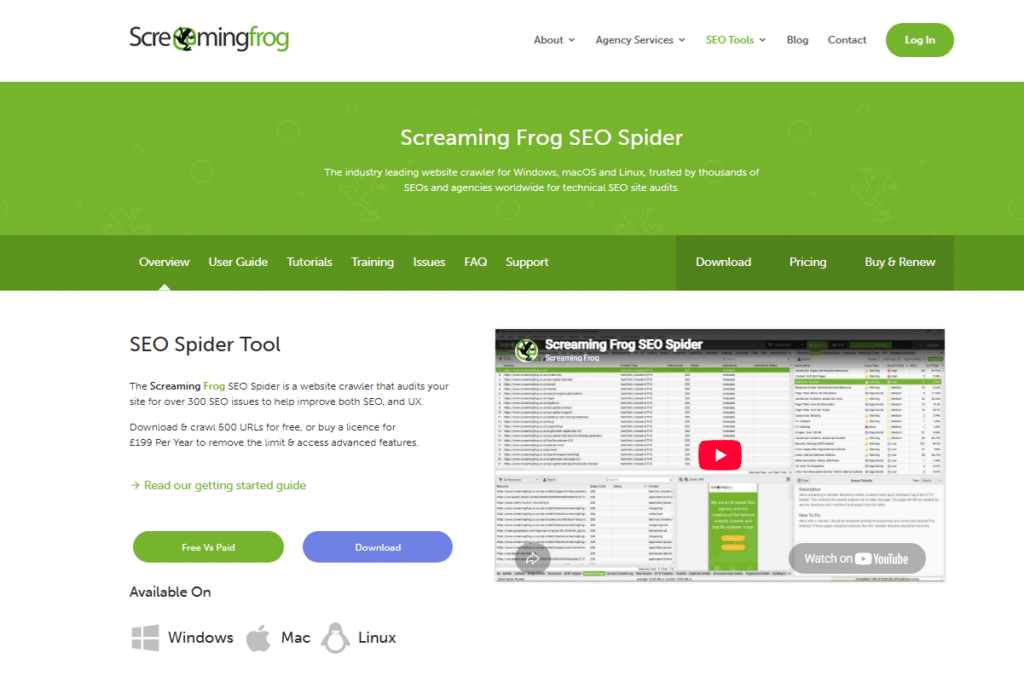
That single crawl replaced what would otherwise have been weeks of manual auditing.
Best For: Technical SEO audits on any size site.
Price: Free up to 500 URLs; $259/year for full version
Rating: 4.9 out of 5 stars
Finds broken links, redirect chains, missing meta data, and duplicate content
Integrates with Google Analytics and Search Console
Desktop app runs fast even on large sites
Not cloud-based: it needs a local install and decent hardware
8. Morningscore: Best Gamified SEO Tracking Tool
Morningscore is a genuinely different kind of SEO platform. It hit $1M ARR in 2026 and attracted 4,000+ businesses worldwide by making SEO feel less like a spreadsheet task and more like a game with missions and scoring.
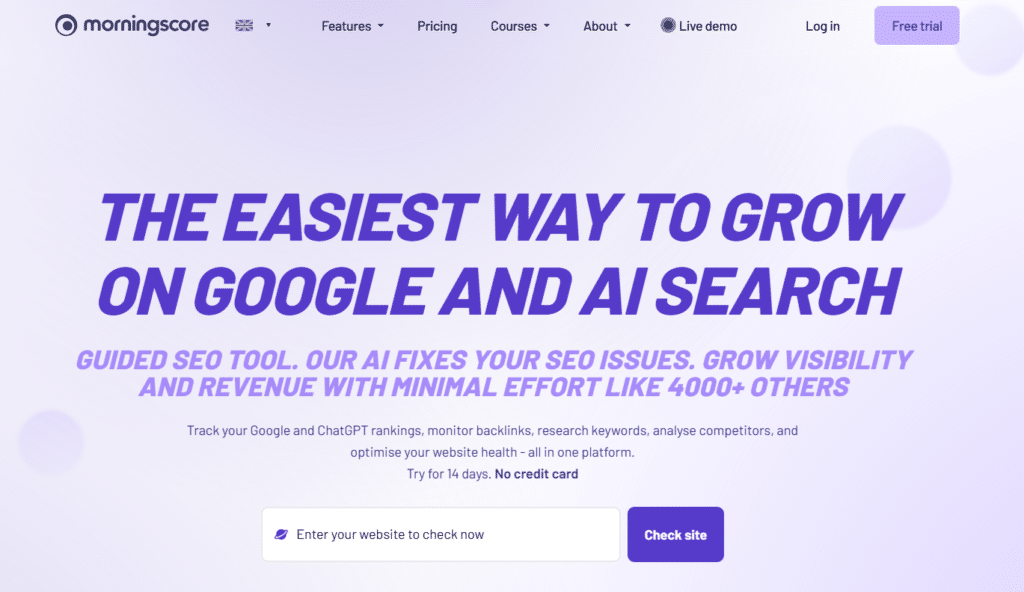
I tested it for six weeks and found the mission-based interface genuinely motivating for clients who struggle to stay engaged with SEO.
Best For: Small businesses wanting an approachable, gamified SEO dashboard.
Price: From $65/mo
Unique health score and mission system keeps teams accountable
Clean, non-intimidating interface perfect for SEO beginners
GEO (generative engine optimization) features added in 2026
Less raw data depth than Ahrefs or Semrush for advanced users
9. Clearscope: Best SEO Tool for Content Grading
Clearscope earns its premium price with one core promise: write content that matches search intent at a granular level.
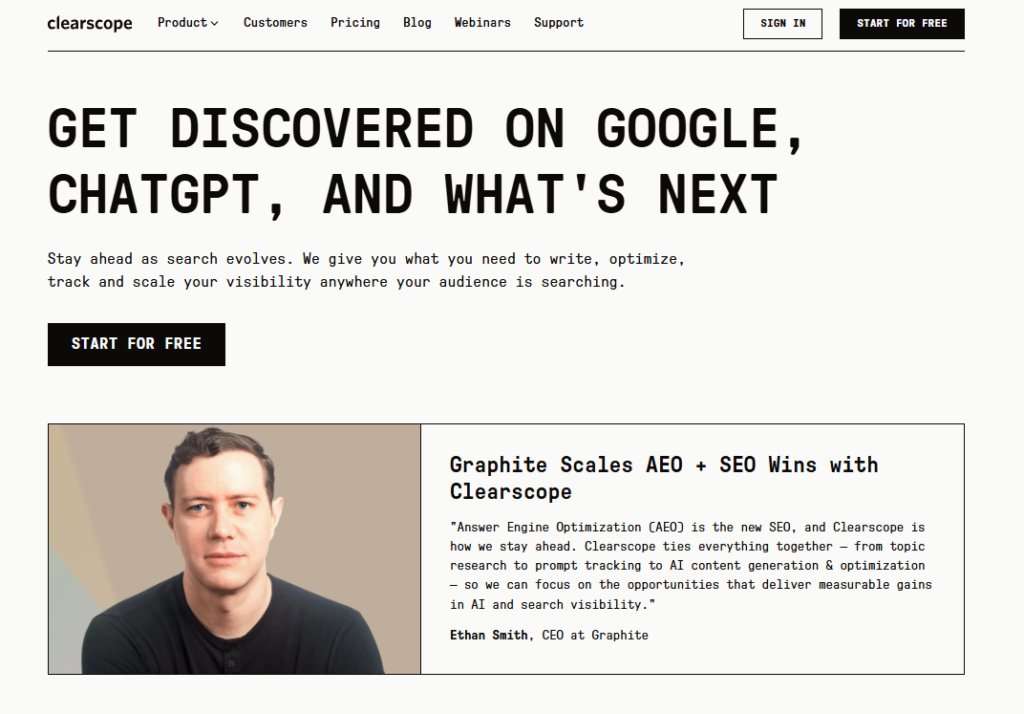
Every report shows you the exact terms that top ranking pages share, scored by relevance weight. When I use it before writing, my first drafts need far fewer revisions.
Best For: Content teams writing high volume, competitive articles.
Price: From $189/mo
Clean, distraction-free content editor
Term frequency and relevance scores built from real SERP data
Google Docs add-on works without leaving your workflow
Pricing is high for individual bloggers or small teams
10. Google Keyword Planner: Best Free Keyword Research Tool
Google Keyword Planner is where most keyword research starts, and it costs nothing to use.
The tradeoff is real: volume ranges are broad, and you need an active Google Ads account to see exact numbers.
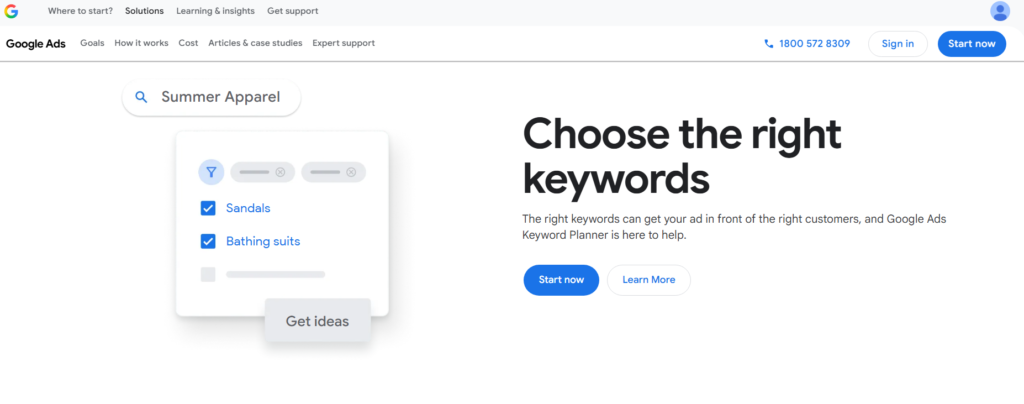
Even so, the data comes straight from Google, which makes it the most accurate source you can get without paying anything.
Best For: Budget-conscious researchers who need reliable seed keyword data.
Price: Free
Search volume and competition data sourced directly from Google
Seasonal trend data useful for planning content calendars
Volume ranges only (not exact numbers) without active ad spend
11. Rank Math: Best WordPress SEO Plugin
Rank Math is the WordPress plugin I install on every site I build. It replaced Yoast on my personal blog two years ago and I haven’t looked back.
The free plan is genuinely comprehensive: schema markup, redirect manager, and 404 monitoring are all included without paying a cent.
Best For: WordPress users who want powerful on-page SEO control.
Price: Free; Pro from $6.99/mo
Built-in schema generator covering 20+ schema types
Search Console data visible directly inside WordPress dashboard
AI-assisted content suggestions in the Pro version
Can conflict with some page builders on complex sites
12. AccuRanker: Best Dedicated Rank Tracking Tool
AccuRanker does one thing and does it better than anyone else: rank tracking.
I’ve compared its data against Semrush and SE Ranking for the same keywords, and AccuRanker updates faster and more accurately on fresh ranking shifts.
That comes down to a dedicated crawler built for rank data alone, rather than one split across 50 other features.
Best For: Agencies and SEO professionals who need daily, accurate rank data.
Price: From $129/mo
On-demand rank refreshes at any time
Accurate local and mobile rank tracking
Clean reporting dashboards easy to share with clients
No keyword research or backlink tools, rank tracking only
How I Tested and Selected These SEO Tools
I didn’t just read product pages. I signed up, ran real campaigns, crawled real sites, and tracked real keywords using each tool on this list. My testing process covers five core categories:
Keyword Research: Can it surface accurate search volume, difficulty scores, and intent signals?
Rank Tracking: How quickly does it update? How accurate is it across devices and locations?
Backlink Analysis: How large is the index? How fresh is the data?
Technical Auditing: Does it catch real errors and explain them in plain language?
Content Optimization: Does it improve the quality and ranking potential of actual written content?
I weighted value for money heavily. A tool that costs $65/month but covers four use cases beats a $300/month tool that only excels at one.
I also weighted the learning curve heavily, because a tool nobody on your team will actually open is worth nothing.
Comparison Table: Best SEO Tools by Use Case
| Use Case | Top Pick | Budget Alternative |
|---|---|---|
| All-in-one platform | Semrush | SE Ranking |
| Backlink analysis | Ahrefs | Moz Pro |
| Content optimization | Surfer SEO | Clearscope |
| Technical SEO audits | Screaming Frog | SE Ranking |
| Rank tracking | AccuRanker | SE Ranking |
| Free keyword research | Google Keyword Planner | Google Search Console |
| WordPress on page SEO | Rank Math | Yoast SEO |
| Beginners | Moz Pro | Morningscore |
Which SEO Tool Should You Choose?
- For bloggers just getting started: Begin with Google Search Console and Google Keyword Planner, both are free and both come directly from Google. Install Rank Math on your WordPress site and you’ll have a solid foundation without spending a dollar.
- For growing content teams: Pair Surfer SEO with Ahrefs. Surfer handles your content briefs and on-page optimization; Ahrefs covers keyword discovery and competitor backlink gaps. That combination covers 90% of a content team’s weekly SEO needs.
- For agencies managing multiple clients: Semrush is the logical choice for its breadth, while AccuRanker gives you rank tracking accuracy that client reports demand. SE Ranking is a smart cost-saving alternative if budgets are tight.
- For technical SEO specialists: Screaming Frog is non-negotiable. Pair it with Google Search Console and you’ll catch virtually every crawl, index, and performance issue before it becomes a ranking problem.
- For small business owners who find SEO intimidating: Morningscore’s gamified approach genuinely lowers the barrier. Its mission system turns abstract SEO tasks into clear, checkable steps, which is exactly what someone in the early stages of their SEO education needs.
Frequently Asked Questions About the Best SEO Tools
What is the best free SEO tool available in 2026?
Google Search Console is the best free SEO tool in 2026. It shows real search query data, indexing status, Core Web Vitals, and mobile usability issues directly from Google. Pair it with Google Keyword Planner for keyword research and you have a strong free foundation without spending anything.
Is Semrush or Ahrefs better in 2026?
Ahrefs leads for backlink research and link building, while Semrush wins for all-in-one functionality. If you need one tool for everything: keyword research, audits, rank tracking, and competitor analysis, Semrush is more complete. If backlink intelligence is your priority, Ahrefs is the stronger choice.
Which SEO tool is best for beginners?
Moz Pro and Morningscore are the best starting points for beginners. Moz explains SEO concepts clearly within its interface. Morningscore’s gamified mission system helps new users understand and complete SEO tasks step by step without feeling overwhelmed by raw data and complex dashboards.
Do I need to pay for an SEO tool to rank on Google?
Not necessarily. Google Search Console, Google Keyword Planner, and Rank Math are all free and cover core SEO needs. Paid tools buy you speed, competitive data, and depth that free tools can’t match, but a focused free stack can still produce meaningful ranking results.
What is the best SEO tool for content writers?
Surfer SEO is the top pick for content writers. It scores your article in real-time against competing pages, highlights missing terms, and recommends ideal word counts. Clearscope is an excellent alternative at a higher price point, especially for teams producing high-volume content on competitive topics.
How many SEO tools do I actually need?
Most users need two to three tools maximum. A keyword research and competitor analysis tool like Ahrefs or Semrush, a rank tracker, and a content optimization tool like Surfer SEO cover nearly every use case. Adding more tools than you actively use creates noise and cost without adding strategic value.