Key Takeaways:
The best AI chatbots in 2026 each excel at something different, and picking the wrong one wastes real time and money.
ChatGPT remains the most versatile, but Claude beats it for writing and structured analysis.
Google Gemini and Microsoft Copilot win if you live inside those ecosystems all day.
Free options like DeepSeek and Meta AI punch well above their price tag.
The chatbot market hit $12.98 billion in 2026, and choosing the right tool now gives you a measurable edge.
After running the best AI chatbots through the same set of tasks side by side, I can tell you the answer is never “just use ChatGPT.”
Every chatbot I tested had a clear home turf where it dominated and a clear blind spot where it fell apart.
This guide maps exactly who wins where, so you can stop guessing and start using the right tool for the right job.
How Do AI Chatbots Actually Work?
Here is the short version. You type a message. The chatbot sends that message to a large language model.
The model breaks your text into small chunks called tokens, then predicts which token should come next over and over until it builds a full response.
The logic behind this is pure pattern recognition at massive scale.
The model, trained on billions of text examples, knows which words tend to follow other words in a given context. That is how it sounds so natural.
Two layers are worth separating here: the app you type into, and the model running underneath it.
ChatGPT, the app, runs on GPT-4o, the model. The Gemini app runs on Google’s Gemini model.
When you compare chatbots, you are really comparing both the model intelligence and the features wrapped around it.
How I Tested and Selected These AI Chatbots
I ran every chatbot through the same five tasks: drafting a professional email, summarizing a 3,000-word research paper, writing a working Python script, answering a time-sensitive factual question, and holding a multi-turn conversation without losing context.
I also looked at pricing, free tier limits, integration options, and how each tool handles follow-up questions.
Response consistency turned out to matter more than peak performance.
A chatbot that gives you a great answer 70% of the time is frustrating to use. I flagged that throughout.
The chatbot market grew from $8.27 billion in 2024 to $12.98 billion in 2026 at a compound annual growth rate of 24.8%.
That pace means tools are improving fast. What I tested reflects the state of each platform as of mid 2026.
The Best AI Chatbots at a Glance
| Chatbot | Best For | Free Tier | Starting Price |
|---|---|---|---|
| ChatGPT | General use, versatile tasks | Yes | $20/mo |
| Claude | Writing, coding, analysis | Yes | $20/mo |
| Google Gemini | Google Workspace users | Yes | $19.99/mo |
| Microsoft Copilot | Microsoft 365 users | Yes | $30/mo |
| Perplexity | Research, fact checking | Yes | $20/mo |
| Meta AI | Social media, casual use | Yes (free) | Free |
| DeepSeek | Open-source reasoning | Yes | Free |
| Grok | X (Twitter) integration | Limited | $8/mo (X Premium) |
The Best AI Chatbot Overall
ChatGPT
Best for: General tasks, complex reasoning, and versatility
Price: Free tier available; Plus at $20/mo
Model: GPT-4o
ChatGPT is rarely the single best tool for any one job on this list.
In practice, it is good enough at all of them that you rarely need to switch.
I used ChatGPT to write a product launch brief, debug a JavaScript function, and explain quantum entanglement to a 10-year-old.
It nailed all three in one session without losing the thread. That kind of range is genuinely rare.
The free tier is usable but limited. GPT-4o access gets throttled under heavy load.
If you use it for real work, the $20/mo Plus plan is worth every dollar. The image generation, voice mode, and memory features alone justify the cost.
What I liked: Consistency, plugin support, and the widest range of tasks handled well.
What I did not like: It can be overly cautious on sensitive topics and occasionally gives long answers when short ones would serve better.
The Best AI Chatbot for Writing and Coding
Claude
Best for: Long-form writing, structured analysis, code review
Price: Free tier available; Pro at $20/mo
Model: Claude 3.7 Sonnet
When I gave Claude and ChatGPT the exact same writing brief, Claude’s output was cleaner, more structured, and needed fewer edits.
It thinks in outlines. That is a real advantage for anyone producing long-form content.
Claude’s 200,000-token context window is also enormous.
I fed it an entire 80-page research report and asked it to pull out contradictions across chapters.
It did it accurately. ChatGPT struggled with the same task at that length.
For coding, Claude does not just write code. It explains the logic behind every decision.
As someone who is not a full-time developer, that explanation layer saves me hours of confusion.
What I liked: Clean writing output, huge context window, honest responses when it is unsure.
What I did not like: Slightly slower than ChatGPT on simple requests. Occasional over explanation on short tasks.
The Best AI Chatbot for Google Product Users
Google Gemini
Best for: Gmail, Docs, Sheets, and Google Workspace integration
Price: Free; Gemini Advanced at $19.99/mo with Google One
If your entire work life runs through Google, Gemini sits inside the tools you already have open all day.
I tested it by asking it to summarize three Gmail threads, draft a reply, and pull data into a Google Sheet, all in a single workflow.
The integration was smooth in a way no external chatbot can replicate.
Step outside the Google ecosystem, though, and Gemini is less compelling.
Its standalone chat performance is solid but not clearly better than ChatGPT. The real value is the deep integration, not the raw model intelligence.
What I liked: Native Google Workspace integration, multimodal inputs, real-time web access.
What I did not like: Less impressive as a standalone chatbot when not connected to Google products.
The Best AI Chatbot for Microsoft Product Users
Microsoft Copilot
Best for: Word, Excel, Outlook, Teams, and Microsoft 365
Price: Free version available; Microsoft 365 Copilot at $30/mo
Copilot does for Microsoft what Gemini does for Google. I tested it inside Excel by asking it to build a financial model from a plain text description.
It built a working spreadsheet in under 30 seconds. That is the kind of thing that used to take an afternoon.
The value case is straightforward: if your company already pays for Microsoft 365, Copilot is essentially a free upgrade that makes every existing app smarter.
In practice, the ROI is immediate and obvious.
What I liked: Deep Office integration, enterprise security features, reliable performance inside Teams.
What I did not like: The $30/mo per user pricing adds up fast for larger teams.
The Best AI Chatbot for Research and Fact Checking
Perplexity AI
Best for: Real-time research, citations, and verified facts
Price: Free; Pro at $20/mo
Perplexity is the tool I reach for when I need to verify something right now. Every answer comes with numbered citations you can click and check.
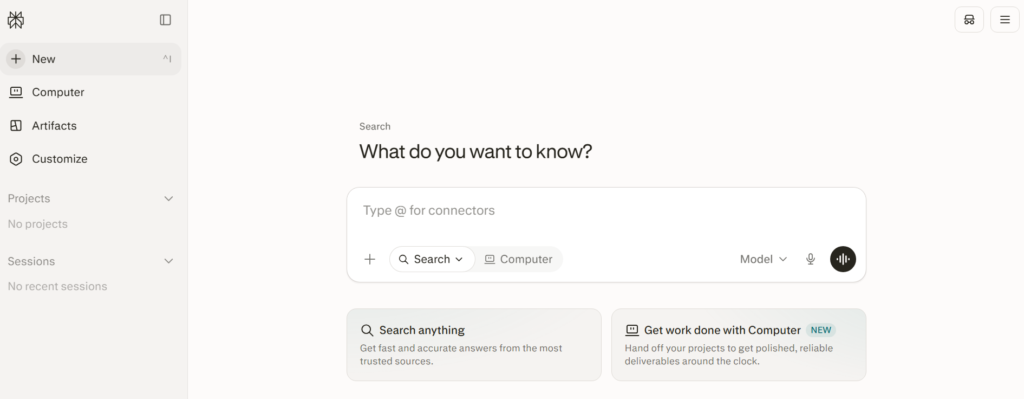
That is not a small feature. It is the difference between trusting an answer and having to Google it separately anyway.
I ran a test: asked Perplexity and ChatGPT the same question about a recent court ruling. Perplexity gave me three cited sources from the past week.
ChatGPT gave me a confident answer that was six months out of date. For research work, that gap is a dealbreaker.
What I liked: Real-time web access, cited sources, fast and focused answers.
What I did not like: Less useful for creative or open-ended tasks where citations are not the point.
The Best Free AI Chatbot for Everyday Use
Meta AI
Best for: Casual use, social media integration, completely free access
Price: Free
Meta AI is the most accessible chatbot on this list. No subscription. No credit card.
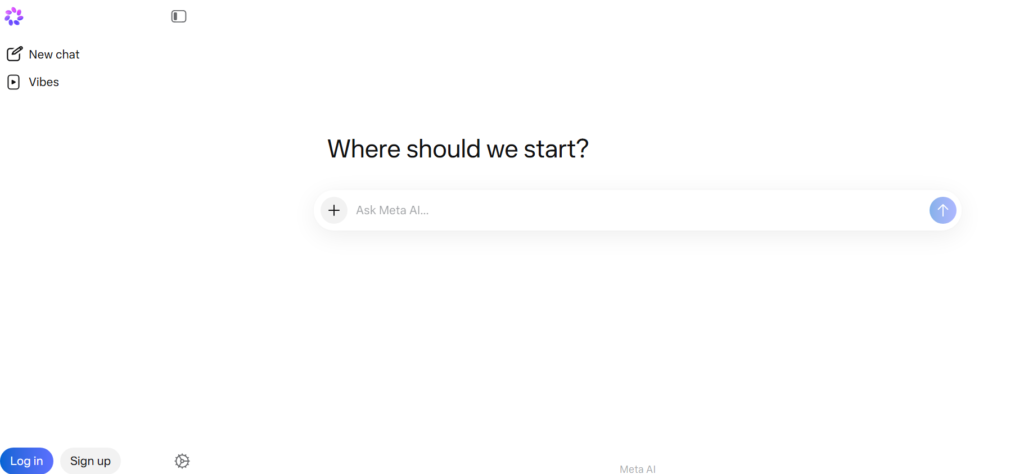
It lives inside Instagram, WhatsApp, and Facebook Messenger, apps that billions of people already open every day.
I used it to plan a weekend trip, get recipe ideas, and draft a social media caption. It handled all three without any friction.
It is not the most powerful model here. But if you are not willing to pay $20/mo for occasional chatbot use, Meta AI is genuinely excellent.
The Best Open-Source AI Chatbot for Reasoning
DeepSeek
Best for: Cost-free reasoning tasks, developers, privacy-conscious users
Price: Free (open source)
DeepSeek surprised me. I expected a second-tier experience from a free, open-source model.
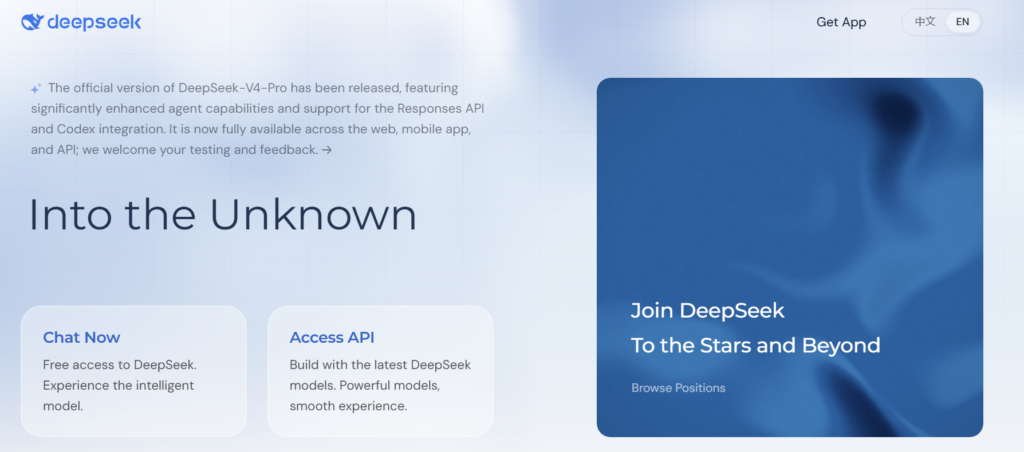
What I got was a reasoning engine that matched or beat paid competitors on logic puzzles and multi-step problem solving.
Its appeal is simple: it costs nothing, the model weights are public, and developers can self-host it.
For companies worried about sending sensitive data to third-party servers, that self-hosting option is a meaningful privacy advantage most reviews gloss over entirely.
The Best AI Chatbot for X and Real-Time Trends
Grok
Best for: X (Twitter) power users, trending topics, unfiltered responses
Price: Included with X Premium at $8/mo
Grok is the chatbot that has X integration baked in at the infrastructure level.
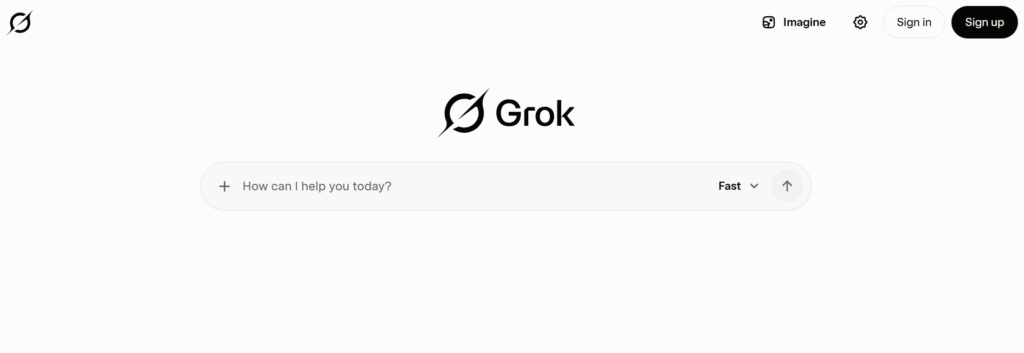
I tested it by asking about a trending news story within an hour of it breaking.
Grok pulled context from live X posts and gave me a summary that felt genuinely current.
Grok also applies fewer content guardrails than most competitors. That makes it more useful for edgy creative writing or blunt analysis.
It also means you get less hand-holding, which experienced users tend to prefer.
How to Choose the Best AI Chatbot for Your Needs
Start with your actual daily workflow. That is the question most guides skip. Do not pick a chatbot based on benchmarks. Pick based on where you spend the most time.
You write a lot: Start with Claude. Its output quality for long-form work is consistently cleaner.
- You live in Google Workspace: Gemini Advanced is the obvious pick.
- You use Microsoft 365 daily: Copilot pays for itself inside Excel and Outlook alone.
- You need verified facts fast: Perplexity with Pro is your research partner.
- You want one tool for everything: ChatGPT Plus handles the widest range without compromise.
- You want free and capable: DeepSeek for reasoning, Meta AI for casual use.
- Across all of this testing, the gap between free and paid tiers clearly narrowed in 2026.
Free versions of most top chatbots are now genuinely useful for light work. You only need to pay when you hit the limits regularly.
Frequently Asked Questions About the Best AI Chatbots
Which AI chatbot is the most accurate in 2026?
Perplexity AI leads for factual accuracy because it cites real-time sources you can verify. ChatGPT with web browsing enabled comes close. For topics that change quickly (news, legal rulings, market data), Perplexity is the safer choice because every answer is traceable.
Is ChatGPT still the best AI chatbot overall?
ChatGPT remains the most versatile all-around option in 2026. It handles the widest range of tasks well and has the largest ecosystem of integrations. Worth knowing: Claude beats it at writing, and Perplexity beats it at research. “Best overall” depends on what overall means to you.
What is the best free AI chatbot right now?
Meta AI is the most accessible free chatbot, with no sign-up friction and a home in apps you already use. DeepSeek is the best free option for reasoning and technical tasks. Both deliver real value without a subscription. For casual users, Meta AI is the easiest starting point.
Can AI chatbots replace a human customer support team?
For routine, repetitive queries, yes: chatbots now handle them reliably. In practice, the best setups use AI for the first response and hand off to humans for complex or emotional situations. Full replacement works only when questions are predictable. Nuanced complaints still need a real person.
How do I know which AI chatbot is right for my workflow?
Match the chatbot to your daily software. Google Workspace users get the most from Gemini. Microsoft 365 users benefit most from Copilot. Writers and analysts see the clearest gains from Claude. General users who need one tool for everything get the best return from ChatGPT Plus at $20/mo.
Are AI chatbots safe to use for sensitive business information?
Most major chatbots offer enterprise tiers with stronger data privacy controls. DeepSeek’s open-source model can be self-hosted for full data control. The case for an enterprise plan is straightforward: default free tiers often use your conversations to improve their models, while paid plans typically opt you out of that training.
My Final Take on the Best AI Chatbots
After putting all eight through the same side-by-side tasks, my conclusion is this: there is no single winner.
Each of the best AI chatbots I reviewed owns a specific domain. Forcing one tool to cover all of them means accepting weaker results on most of the work.
If I had to pick just one, I would choose ChatGPT Plus for its sheer range.
In practice though, I personally use Claude for writing, Perplexity for research, and ChatGPT for everything else.
That three-tool stack costs $40/mo and covers nearly every task I encounter.
Start with one free tier. Test it against your real daily tasks. Upgrade only when the limits start costing you time. That is the most honest advice I can give and it is what I actually did.